Buyer's Guide to Tokyo, Japan
International Real Estate October 21, 2026
International Real Estate October 21, 2026
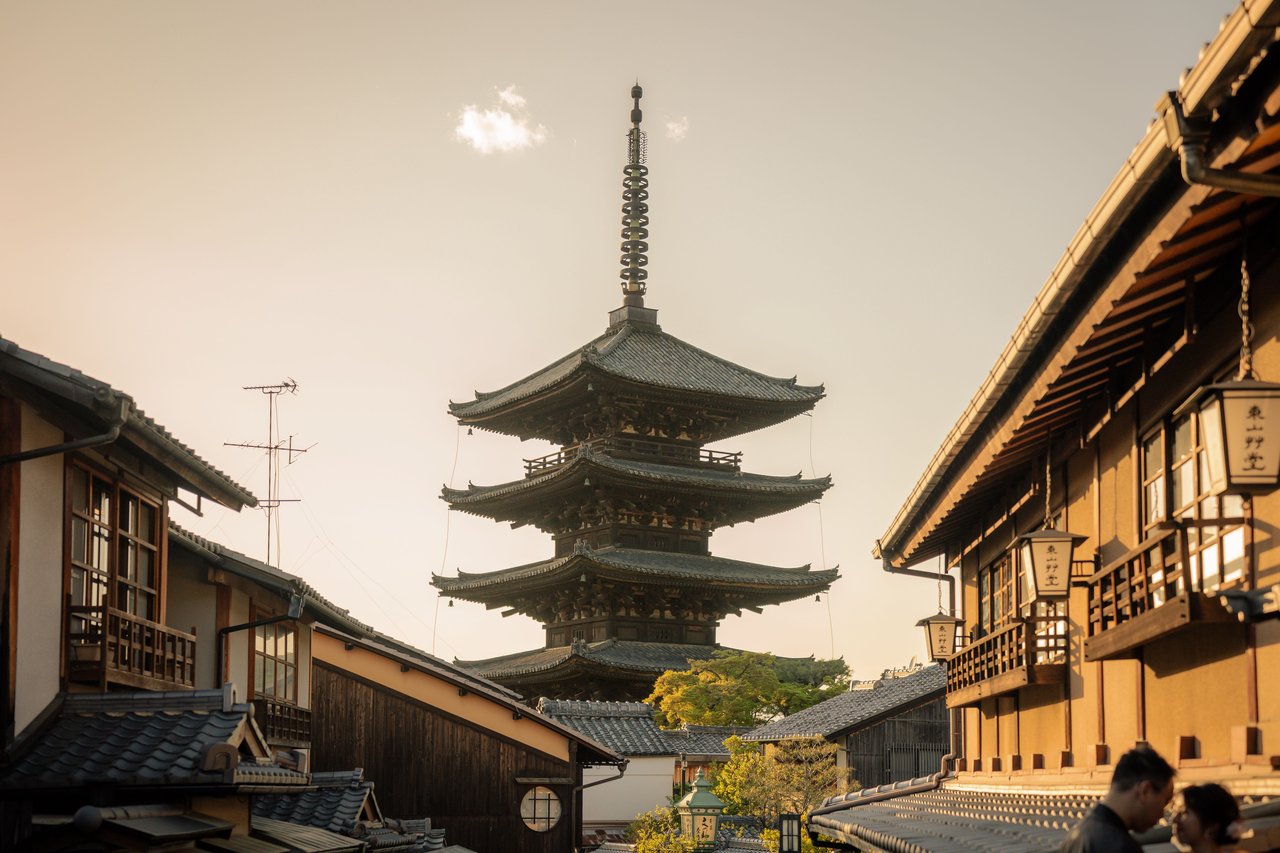
Tokyo rewards people who pay attention to detail. A morning can begin with a run under the ginkgo trees of Meiji Jingu Gaien, continue with a quiet coffee in a Daikanyama side street, and end at an eight-seat counter where the chef has spent decades perfecting one cuisine. The city runs on time, its trains arrive to the second, and its residential lanes are calm enough to hear birdsong a few minutes from Roppongi Crossing. For executives used to New York, London or Singapore, it offers big-city ambition with unusual order and craft.
It is also one of the few major property markets in Asia with no restrictions on foreign ownership. Non-residents can buy land and buildings freehold, on the same terms as Japanese citizens. In 2026 that openness meets a weak yen. The dollar traded near ¥158.5 on October 20, 2026 (FXStreet), which keeps prime Tokyo priced well below Hong Kong, London or Manhattan on a per-square-foot basis for dollar-based buyers.
Why look now? The market is moving in two directions. New-build condominium prices in Tokyo's 23 wards reached a record average of ¥142.49 million (about $900,000) in the first half of 2026. At the same time, the resale market has cooled: September 2026 resale contracts in the 23 wards fell 30.6% year over year, and more listings are cutting their asking prices. Japan is also adding new reporting and disclosure rules for foreign buyers this year. Buyers who understand these changes may find more room to negotiate than Tokyo has offered in several years.
New construction keeps setting records. According to the Real Estate Economic Institute (REEI), the average new condominium in the 23 wards cost ¥142.49 million in January–June 2026, up 9.1% year over year. It was the fourth straight year the first-half average topped ¥100 million. Across the wider Tokyo metropolitan area, the average rose 13.1% to ¥101.35 million, the first time a first-half average there exceeded ¥100 million (Jiji Press via Nippon.com, July 21, 2026). On October 20, 2026, Jiji reported a new record of ¥114.94 million for the metropolitan area in April–September. Supply remains limited: only 2,684 new units were released in the 23 wards in the first half of the year (REEI).
The resale market looks very different. East Japan REINS data for September 2026 show the 23-ward average resale contract price at ¥74.05 million, down 2.8% year over year, with the price per square meter roughly flat at ¥1.30 million. Contracts fell 30.6%, the ninth straight monthly decline. Across the capital region, listings rose 15.1% to 50,450, the seventh straight monthly increase. Asking prices are softening as well. Data firm Urbalytics found that 44.3% of 23-ward resale listings had cut their price at least once in the three months to mid-October 2026, rising to 55.3% around bayside stations such as Kachidoki, Toyosu and Ariake (via Realtopedia, October 16, 2026).
The top of the market still sets its own pace. Branded and low-rise projects in Minato, Shibuya and Chiyoda, including Aman Residences Tokyo at Azabudai Hills and Marq Omotesando One, have set new benchmarks per tsubo. Those homes rarely come to the open market.
Drive times are approximate and assume normal traffic.
Azabu and Roppongi (Minato). This is Tokyo's international core. Azabudai Hills, completed in 2023, combines a 330-meter tower, Aman Residences, a garden plaza and a gourmet market. Roppongi Hills and Tokyo Midtown add the Mori Art Museum, the Suntory Museum of Art and Hinokicho Park. Moto-Azabu and Nishi-Azabu have quieter, sloping lanes with low-rise "mansions" (condominium buildings), embassies and small restaurants. Haneda is about 25 minutes away.
Hiroo and Shirokane (Minato and Shibuya). These are leafy residential districts built around Arisugawa-no-miya Memorial Park, with its ponds, waterfall and the Tokyo Metropolitan Central Library. The Hiroo shopping street has bakeries, wine shops and neighborhood restaurants. Shirokanedai sits beside the Institute for Nature Study and the Tokyo Metropolitan Teien Art Museum, an Art Deco former palace. Homes are mostly low-rise condominiums and some detached houses on large lots. Haneda is 25–30 minutes away.
Aoyama and Omotesando (Minato and Shibuya). Tokyo's design district. Omotesando's zelkova-lined avenue has flagship stores by architects such as Tadao Ando, Herzog & de Meuron and SANAA. The Nezu Museum's garden and the outer gardens of Meiji Jingu are close by. Housing includes boutique low-rise buildings and some of the country's highest-priced penthouses. Haneda is about 30 minutes away.
Shoto, Daikanyama and Ebisu (Shibuya). Shoto, just above Shibuya's busy center, has large lots, walled gardens, older detached homes and the Shoto Museum of Art. Daikanyama, with Fumihiko Maki's Hillside Terrace, the Daikanyama T-Site bookstore and many cafés, has a slower pace. Ebisu Garden Place and the Meguro River's cherry trees are within walking distance. Housing ranges from low-rise condominiums to rare detached houses. Haneda is 30–35 minutes away.
Bancho and Kioicho (Chiyoda). Next to the Imperial Palace, this is one of Tokyo's quietest prestige addresses, with mid-rise residences on orderly streets near Chidorigafuchi's cherry-blossom moat and the Kitanomaru Park greenery. The Marunouchi and Otemachi business districts are about 10 minutes away. Haneda is about 25–30 minutes away.
Bayside: Harumi, Kachidoki and Toyosu (Chuo and Koto). High-rise towers with bay and skyline views, large floor plans for the price, gyms and pools, and waterfront promenades near the Toyosu market. This is also where resale price cuts are most widespread in 2026, so buyers may have the most room to negotiate here. Ginza is 10–15 minutes away and Haneda about 20–25 minutes.
Tokyo has long held more Michelin-starred restaurants than any other city. The range runs from sushi and kaiseki counters in Ginza and Azabu to standing yakitori bars under the railway arches of Yurakucho. Culture fills the year: kabuki at Kabuki-za, Noh at the National Noh Theatre, contemporary art at the Mori, teamLab and 21_21 Design Sight, and sumo tournaments at the Ryogoku Kokugikan in January, May and September.
Getting out of the city is easy. The Shinkansen reaches Karuizawa, a classic summer retreat with golf and forest villas, in about an hour. Hakone's hot springs and views of Mount Fuji are about 90 minutes away. Sailors keep boats at Hayama and Zushi on the Miura Peninsula, about an hour from the city. In winter, Hakuba is a few hours away by train and car, and Hokkaido's Niseko is a short flight to Sapporo plus a transfer. Golfers can play historic private clubs such as Kasumigaseki Country Club, the 2020 Olympic venue, though membership is usually by introduction. Seasonal highlights include cherry-blossom viewing in late March and early April, the Sanja Matsuri in Asakusa each May, the Sumida River fireworks in July and autumn leaves in late November.
Rules and rates change. Confirm everything with a Japanese judicial scrivener, a licensed real estate agent, an immigration lawyer and a cross-border tax advisor before committing.
The best weather comes in spring (late March to May) and autumn (October to early December), with clear skies, cherry blossoms in spring and maple colors in autumn. June and July bring the rainy season, followed by hot, humid summers, and typhoons are most likely from August to October. Winters are dry and sunny with occasional snow.
Japan's fiscal and school year starts in April, so corporate relocations and leasing activity peak from January through March. Developers launch new projects throughout the year. In the resale market, the current slowdown gives buyers more negotiating room than in the 2021–2024 boom. Autumn and early winter, when sellers want to close before the year-end holidays, may favor prepared buyers.
Tokyo combines rare openness to foreign buyers with outstanding infrastructure, exceptional food and design, and a currency that has made it unusually affordable for dollar-based buyers. In 2026 the market has split: new-builds are at records, while resales are slowing and more sellers are cutting prices. New reporting rules add paperwork, not prohibitions. With the right local team, now may be a good time to secure a well-located home in one of the world's great cities.
Can foreigners buy property in Tokyo? Yes. Japan places no restrictions on foreign ownership, and non-residents can buy land and buildings freehold. As of April 1, 2026, non-resident buyers must file a FEFTA report within 20 days of purchase, and buyers declare their nationality when registering ownership.
How much does a luxury apartment in Tokyo cost? New condominiums in Tokyo's 23 wards averaged ¥142.49 million (about $900,000) in the first half of 2026, or about ¥2.23 million per square meter. Prime units in Azabu, Aoyama and Bancho cost much more, and a record penthouse at Marq Omotesando One sold for about ¥9.5 billion.
Are Tokyo property prices falling? New-build prices hit records in 2026. Resale prices in the 23 wards dipped 2.8% year over year in September 2026, with contracts down 30.6% and capital-region listings up 15.1%, according to East Japan REINS.
What are the best luxury neighborhoods in Tokyo? Areas often favored by luxury buyers include Azabu and Roppongi, Hiroo and Shirokane, Aoyama and Omotesando, Shoto and Daikanyama, Bancho in Chiyoda, and bayside Harumi, Kachidoki and Toyosu for towers with water views.
What taxes do buyers pay in Japan? Buyers pay registration tax (1.5% on land through March 2029 and 2% on buildings, with reductions for qualifying homes), real estate acquisition tax (3% through March 2027), stamp duty, scrivener fees and, on resales, a brokerage fee of up to 3% plus ¥60,000 plus tax. Owners also pay annual fixed asset tax (1.4%) and city planning tax (up to 0.3%) on assessed values.
Does buying property in Japan give you a visa? No. Japan has no residency-by-investment program for property. Common routes include employer-sponsored work visas, the Highly Skilled Professional visa, the Business Manager visa (¥30 million minimum capital since October 2025) and a long-stay visitor visa of up to six months for applicants with more than ¥30 million in savings.
Can I rent my Tokyo apartment on Airbnb? Possibly, but it is restricted. Registered minpaku are capped at 180 nights a year, wards such as Shinjuku and Shibuya add stricter rules, and many condominium buildings ban short-term rentals. Check the ward's ordinance and the building's rules first.
Can foreigners get a mortgage in Japan? It is difficult for non-residents. Japanese banks generally lend to permanent residents and long-term residents with local income, so most foreign buyers pay cash or arrange financing abroad.
Thinking about buying, selling or relocating to Tokyo? Global Search Executive Real Estate Advisory, Powered by Sotheby's Realty, connects you with trusted local agents in Tokyo and around the world. Visit globalsearchrealestate.com to start your search.
This article is for general information only and is not investment, legal or tax advice.
Nippon.com / Jiji Press — Tokyo-Area Condo Prices Hit Record High in 1st Half (July 21, 2026)
Nippon.com / Jiji Press — Tokyo-Area Condo Prices Hit Record 114.94 M. Yen in April-Sept. (Oct. 20, 2026)
The Japan Times — Luxury Tokyo Penthouse Sold for Over $65 Million in New Record (May 27, 2025)
FXStreet — Japanese Yen Flatlines Near 158.50 (Oct. 20, 2026)
Sumitomo Mitsui Trust Realty — Real Estate Acquisition Tax (rates and special measures)
Akiya Japan — Property Tax in Japan Guide
Japandi Real Estate — Tokyo Home Closing Costs Explained (2026)
Japan Real Estate Analytics — Japan FEFTA 2026: Foreign Property Buyer Reporting Rules
Mr. Land — Japan Real Estate Nationality Disclosure: New Rule in 2026
Baker McKenzie — Japan Revises Business Manager Visa Requirements (Feb. 2026)
Embassy of Japan in the USA — Visa (Others): Long Stay for Sightseeing and Recreation
Stay up to date on the latest real estate trends.
International Real Estate
United States Real Estate
International Real Estate
United States Real Estate
United States Real Estate
International Real Estate
United States Real Estate
What the Nov 3 Vote Means for Luxury Markets from Lake Tahoe to Miami
Real Estate News
Access a worldwide network of trusted real estate professionals backed by Monument Sotheby's International Realty. Helping busy professionals buy, sell, and relocate with confidence through a referral experience.