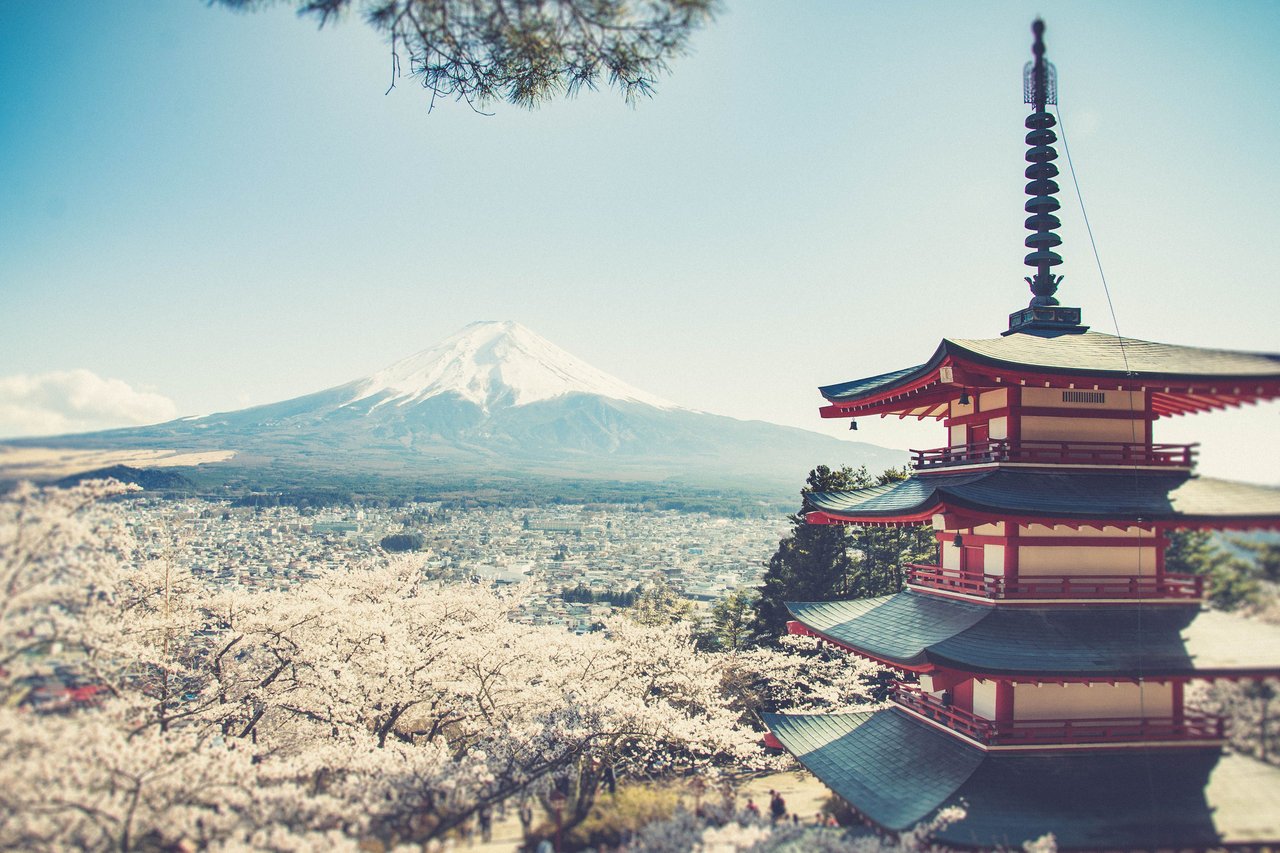
Moving to Japan: A Starter Guide for 2026
International Real Estate September 8, 2026
International Real Estate September 8, 2026
Of all the countries on our radar this year, Japan is the one that's caught fire the fastest. A weak yen, a genuinely open buying process, and a country that blends centuries-old tradition with some of the most efficient, safest cities in the world have combined to make 2026 a real tipping point for American interest in Japanese real estate. Search interest from the U.S. specifically has jumped 38% this year, and it's easy to see why once you look at the numbers.
Japan isn't just Tokyo, either. Kyoto offers centuries of history and a slower, more traditional rhythm. Osaka brings big-city energy with a noticeably lower cost of living. Hokkaido has become a genuine hotspot for ski-and-nature buyers. And then there's the akiya phenomenon — Japan's famous inventory of vacant homes, some priced astonishingly low, that's captured global attention and pulled plenty of first-time foreign buyers into the market.
Japan stands out among nearly every country on our list for one simple reason: it's one of the most foreign-buyer-friendly real estate markets among developed nations, full stop.
The buying process for Americans has no restrictions.
Japan places no nationality-based limits on property ownership, no residency requirement, no minimum purchase price, and — notably — no foreign buyer surcharge, a real point of difference from markets like Canada or the UK. Americans receive full freehold ownership rights, with the same legal standing as Japanese citizens, and can even purchase remotely using a power of attorney without traveling to Japan at all.
The currency story is the real headline.
The yen has traded near multi-decade lows against the dollar, meaning Japanese property is effectively discounted 30-40% compared to five years ago. A home listed at ¥5,000,000 runs roughly $33,000 at current exchange rates — literally half what the same listing would have cost in 2020.
Where Americans are buying varies by goal.
Tokyo (particularly Minato-ku, which includes Roppongi, Azabu, and Hiroo, along with Shibuya-ku and Setagaya-ku) draws the largest concentration of American residents and buyers seeking city living. Kyoto and coastal regions like Shonan attract those chasing a more traditional or scenic lifestyle. Rural akiya properties — Japan's famous stock of vacant, often inherited homes — appeal to buyers hunting for rock-bottom entry prices, though these typically require renovation and a higher tolerance for navigating rural bureaucracy.
One important 2026 update:
Starting in fiscal year 2026, Japan now requires new property owners to disclose their nationality in the real estate registry database. This is a registration requirement, not a restriction — it does not prevent or limit foreign purchases in any way, but buyers should expect this additional disclosure step going forward.
You can't fully understand a place from a spreadsheet, so here's a taste of what makes Japan worth falling for:
Fushimi Inari Taisha, Kyoto
Thousands of vermilion torii gates winding up a forested mountain, one of the most photographed and genuinely moving sites in the country.
Shibuya and Shinjuku, Tokyo
The neon-lit heart of modern Tokyo, from the famous Shibuya Crossing to Shinjuku's endless alleys of tiny bars and restaurants.
Hakone
A hot spring town within easy reach of Tokyo, with views of Mount Fuji on a clear day and some of the country's best ryokan (traditional inn) experiences.
Hokkaido's Niseko region
World-class powder skiing in winter and lush green mountains in summer, increasingly popular with international buyers looking for a second home.
Japanese food culture rewards curiosity, and there's far more to it than sushi.
Ramen
Regional styles vary enormously, from Tokyo's soy-based broths to Hakata's rich, creamy tonkotsu; every neighborhood has a shop locals swear by.
Konbini food
Japan's convenience stores are a genuine culinary institution, and freshly made onigiri, sandwiches, and seasonal treats are far better than the category name suggests.
Okonomiyaki
A savory, customizable pancake especially associated with Osaka and Hiroshima, cooked right in front of you at most spots.
Kaiseki
Japan's traditional multi-course haute cuisine, built around seasonal ingredients; worth experiencing at least once, ideally at a ryokan.
@visitjapanjp — Japan's official national tourism account, the safest, always-right anchor tag for any Japan-focused post.
@japanko_official — a large, well-followed Japan travel guide account (381K+ followers) known for highlighting lesser-known destinations across the country.
@kyotoric — a Kyoto-focused photographer (81K followers) capturing the city's temples and traditional streets, a strong visual counterpart to Tokyo's modern energy.
Assuming the process works like a Western MLS system.
Japan doesn't have a unified national multiple listing service in the way the U.S. does; working with an agent who has strong local network access matters more here than in most countries on our list.
Underestimating the akiya renovation reality.
Ultra-cheap vacant homes are real, but many require significant renovation, and navigating permits and contractors in rural Japan can be a genuinely different experience than a straightforward city purchase.
Overlooking the judicial scrivener step.
Property transfers in Japan are finalized with the help of a judicial scrivener, a licensed legal professional distinct from a Western-style real estate attorney — buyers should budget for this as a standard, required cost, not an optional add-on.
Ignoring U.S. tax reporting obligations.
Japanese bank accounts exceeding $10,000 must be reported on an FBAR, and Japanese rental income is taxable in the U.S. as well, though the U.S.-Japan Tax Treaty and Foreign Tax Credit generally prevent double taxation.
This is exactly where a referral-based approach pays off. Japan's buying process is genuinely different from most Western markets — a different legal framework, no MLS system, and its own set of costs and steps most American buyers have never encountered. Global Search Executive Real Estate Advisory connects you with Sotheby's affiliated advisors on the ground in Japan — professionals who understand the local process, the neighborhoods, and how to navigate a purchase from first search to registered ownership.
Can Americans buy property in Japan?
Yes, Americans can buy property in Japan without restriction. Japan places no nationality-based limits on property ownership, no residency requirement, and no foreign buyer surcharge, giving American buyers the same freehold ownership rights as Japanese citizens.
Why is Japanese real estate suddenly so popular with American buyers?
Japanese real estate has become popular with American buyers largely because of currency advantages. The yen has traded near multi-decade lows against the dollar, making Japanese property effectively 30-40% cheaper in USD terms than it was five years ago, alongside Japan's genuinely open, low-restriction buying process.
Do I need to travel to Japan to buy property there?
No, buyers do not need to travel to Japan to complete a purchase. Non-resident buyers can complete a purchase remotely using a power of attorney, though many buyers still choose to visit in person before finalizing a decision.
What is an akiya, and is it a good option for American buyers?
An akiya is a vacant Japanese home, often inherited and left unoccupied, frequently listed at very low prices. Akiya properties can offer genuine value, but they commonly require significant renovation and navigating rural permitting processes, making them a better fit for buyers comfortable with a hands-on project than for those seeking a turnkey purchase.
Do Americans owe extra taxes when buying property in Japan?
No additional foreign-buyer surcharge applies to American purchasers in Japan, though standard Japanese property taxes and registration fees apply to all buyers regardless of nationality, and Americans must separately report Japanese accounts and rental income to U.S. tax authorities under standard FBAR and foreign income rules.
Stay up to date on the latest real estate trends.

International Real Estate

and Why the Right Agent Still Matters

International Real Estate
International Real Estate
United States Real Estate
United States Real Estate
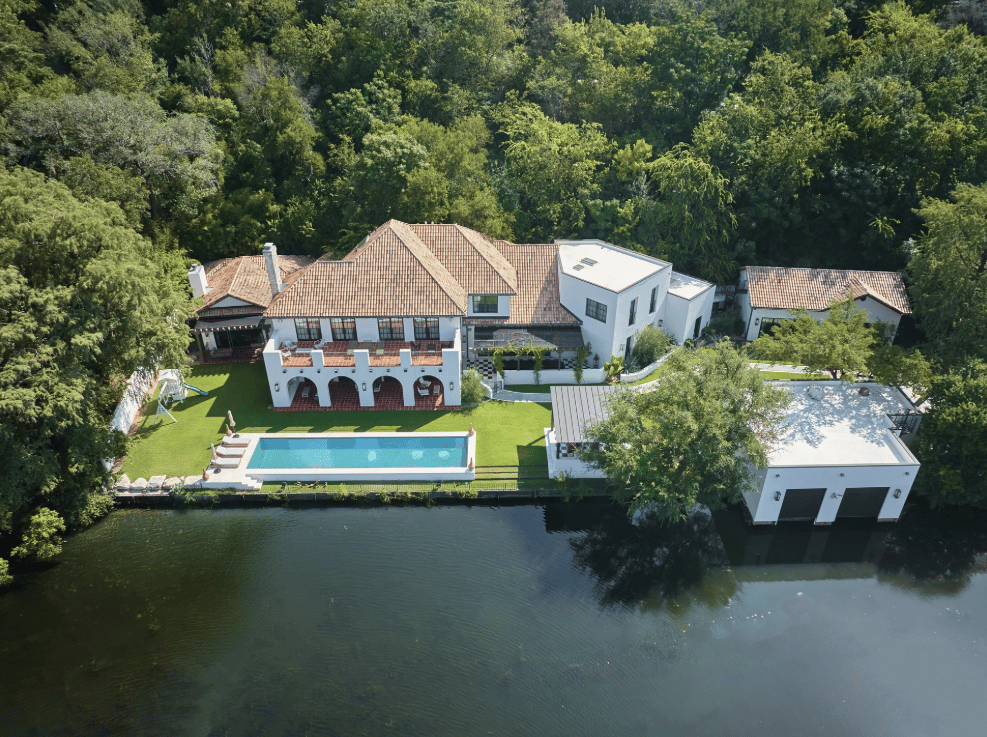
Inside Villa Serena, One of the Most Exclusive Estates in Austin, Texas
United States Real Estate

International Real Estate
Access a worldwide network of trusted real estate professionals backed by Monument Sotheby's International Realty. Helping busy professionals buy, sell, and relocate with confidence through a referral experience.