Living Like English Royalty in America
September 16, 2026
September 16, 2026
Shows like Netflix's The Gentlemen, Bridgerton, and Downton Abbey have fueled a real surge in American interest in English aristocratic living — the country estates, the shooting weekends, the horses, the tweed-and-Range-Rover aesthetic of old money and older land. The good news: America has its own version of this lifestyle, built on the same foundations of land, horses, and hunting tradition, without a title, a peerage, or centuries of inheritance law required. Five U.S. regions in particular — Virginia's Hunt Country, Kentucky's Bluegrass, South Carolina's Aiken and Lowcountry, Georgia's Plantation Belt, and Tennessee's rolling countryside around Franklin — offer real estate that delivers the aesthetic and rhythm of English country life on distinctly American, ownership-open terms.
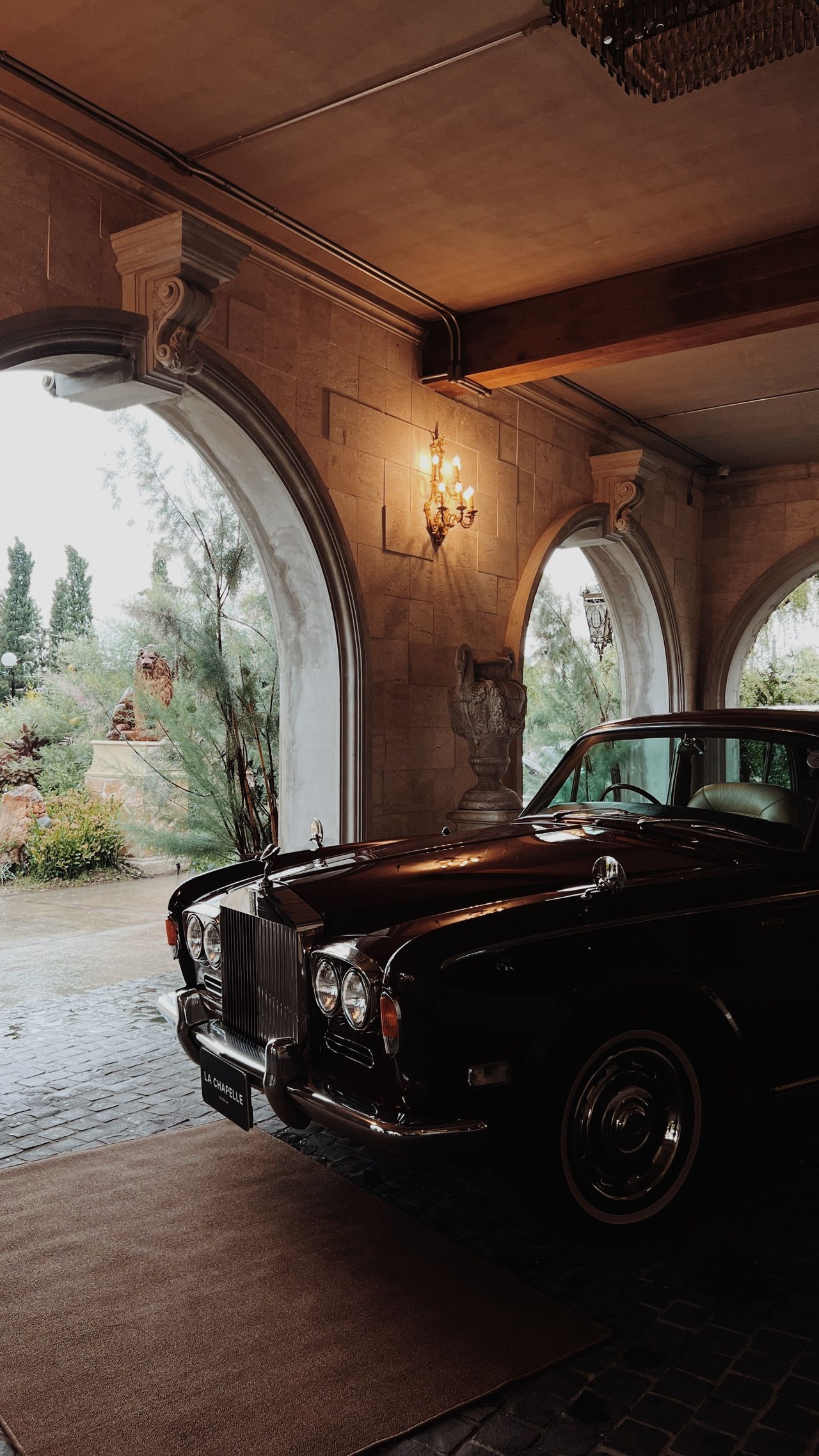
There's a particular image that's been showing up across screens lately: a mud-splashed Range Rover parked outside a stone manor house, dogs trailing through fog-covered fields, a shotgun cracking somewhere over a hedgerow as pheasant rise. Netflix's The Gentlemen built an entire world around this — a British aristocratic estate, complete with sprawling grounds, shooting weekends, and old-money tension simmering under a very polished surface. Bridgerton has done something similar for the ballroom-and-countryside side of the fantasy, and Downton Abbey practically invented the modern audience's appetite for this exact aesthetic decades before either. Between the three, a lot of Americans have spent real time imagining what it would feel like to actually live this way.
Here's the good news: you don't need a title, a peerage, or a several-hundred-year-old family seat to live this way. It's a life built around land, tradition, and a slower, deliberate rhythm — the countryside as a birthright, not a vacation. And America has its own version of this world, built on the same foundations — sprawling land, serious horse culture, real hunting traditions, and grand houses designed for exactly this kind of life — minus the class system, the paperwork of a listed building, and centuries of primogeniture politics. You can simply buy it.
Before we get to where, it's worth naming what this lifestyle is actually built from, because it translates surprisingly directly from the English countryside to the American one:
The Rover.
Whether it's an actual Range Rover or its American-bred equivalent, the vehicle of choice for this life is built for mud, gravel drives, and hauling tack to the stable — not city driving. It's as much a uniform as a car.
The land.
Not a backyard — acreage. Rolling, fenced, genuinely usable land is the entire foundation of this lifestyle, whether it's put to hunting, riding, or simply the pleasure of a long view with nothing but trees and fence lines in it.
The horses.
Riding here isn't a hobby squeezed into a weekend — it's stabling, hacking out at dawn, and for the truly committed, joining a hunt. America's version of fox hunting (often "drag hunting," following a scent trail rather than a live fox, in many modern hunts) is alive and well in exactly the kind of places we're about to cover.
The shooting.
Driven pheasant and quail shooting are genuine American traditions in their own right, particularly across the South, and a proper shooting estate — dogs, guides, a warm lunch halfway through the day — is very much available stateside, no grouse moor required.
The house.
A grand, historic, or at least genuinely substantial home is the anchor. Colonial-era manors, converted horse farms, and Georgian-style estates all scratch the same itch as an English country house, often for a fraction of what an actual English estate would cost.
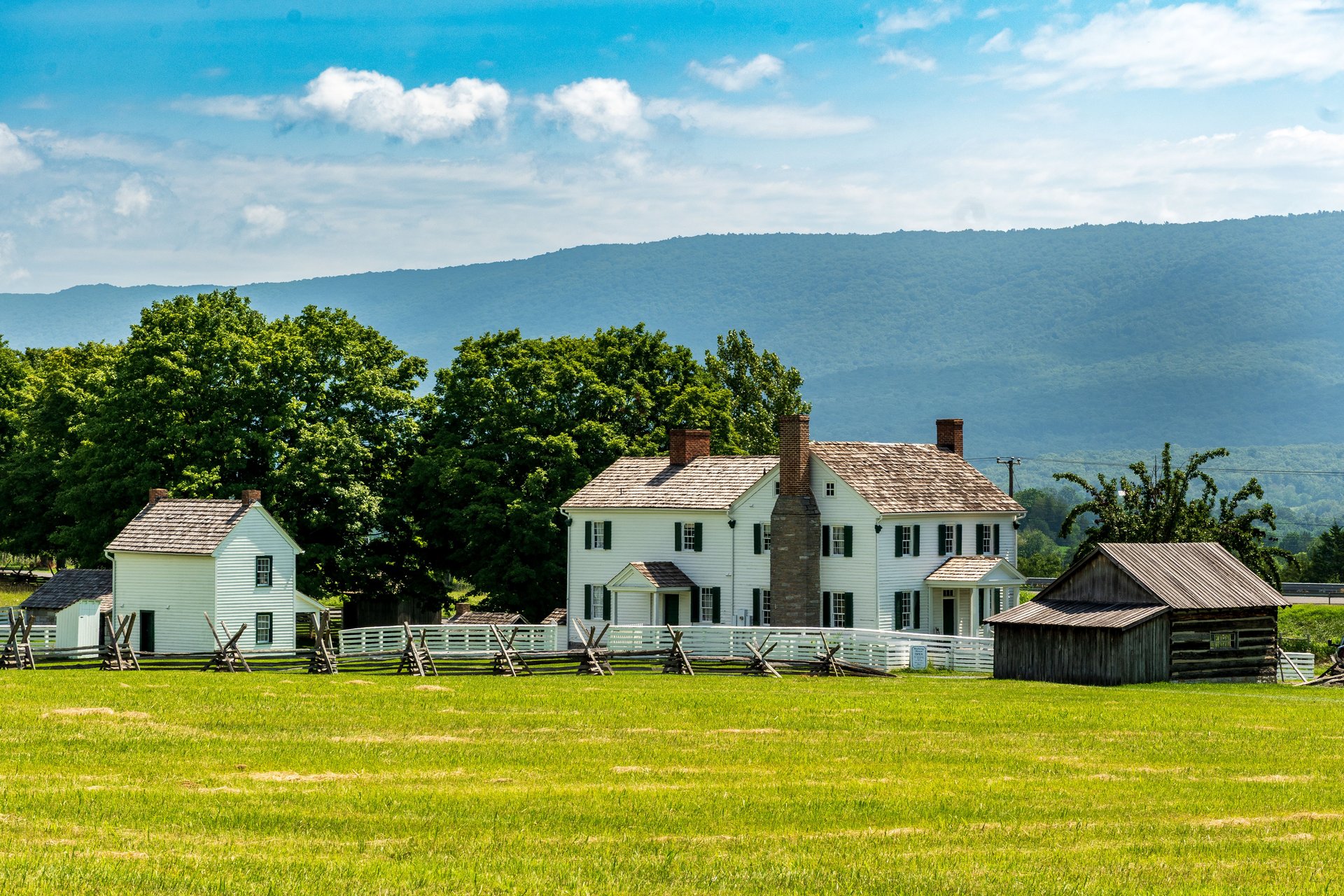
If any single region in America was built to feel like the English countryside, it's Virginia's Hunt Country — Middleburg, Upperville, and The Plains, all within Loudoun and Fauquier counties. This is a region with a real, unbroken fox-hunting tradition dating back centuries, dozens of recognized hunt clubs, and rolling green horse country that looks almost deliberately staged to resemble the Cotswolds. Estate properties here often come with existing stables, riding rings, and land already set up for exactly this life — and it's close enough to Washington, D.C. that you can have both the countryside and real civilization within reach.
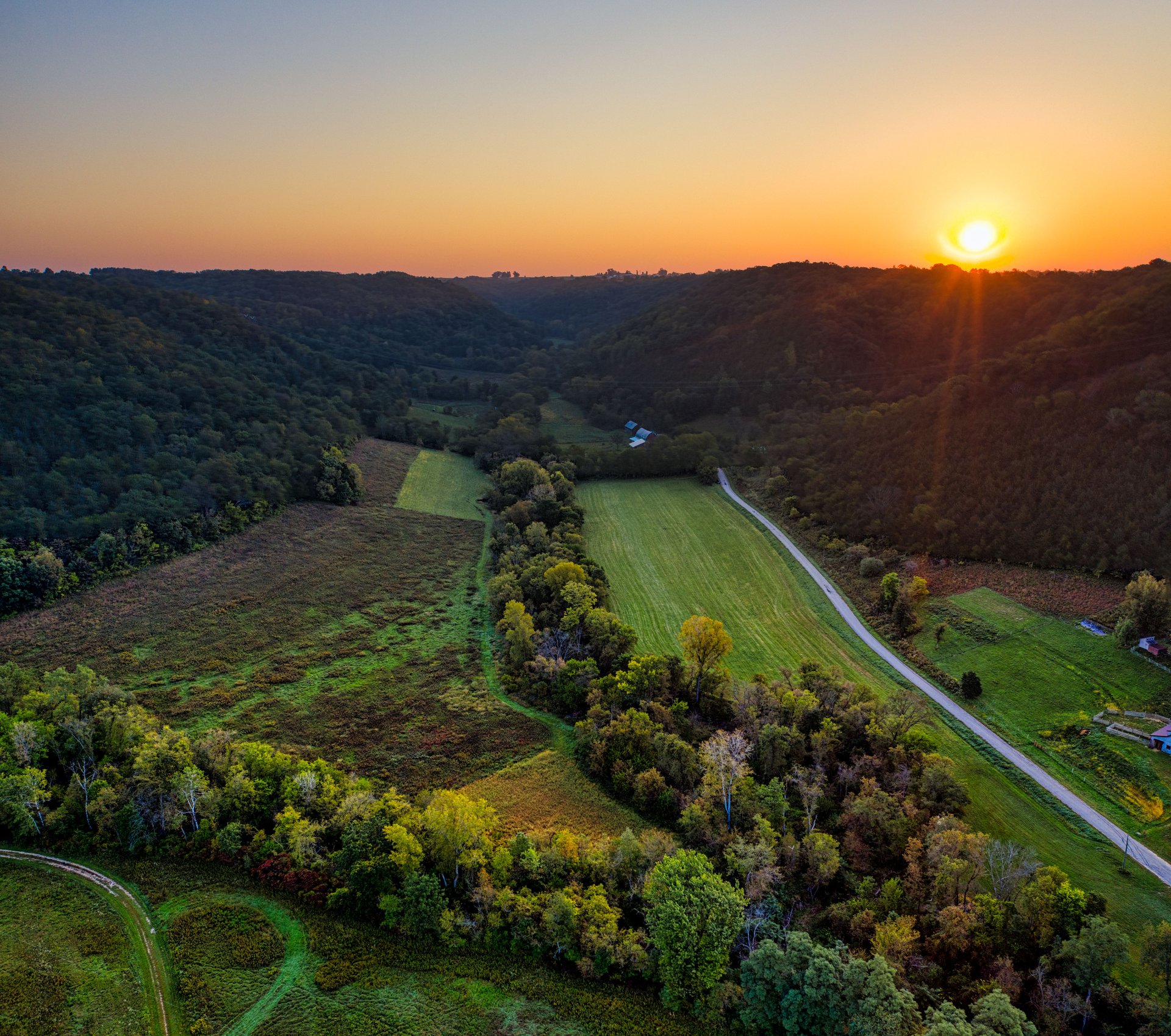
Nowhere in America takes horses more seriously than Kentucky's Bluegrass region, around Lexington. This is thoroughbred country in the most literal sense — black plank fencing around impossibly green pastures, historic horse farms that have bred champions for generations, and a culture where a serious equestrian property isn't a novelty, it's simply how things are done here. For anyone whose version of this lifestyle centers specifically on horses rather than hunting, Kentucky is arguably the most authentic American answer to English equestrian tradition.
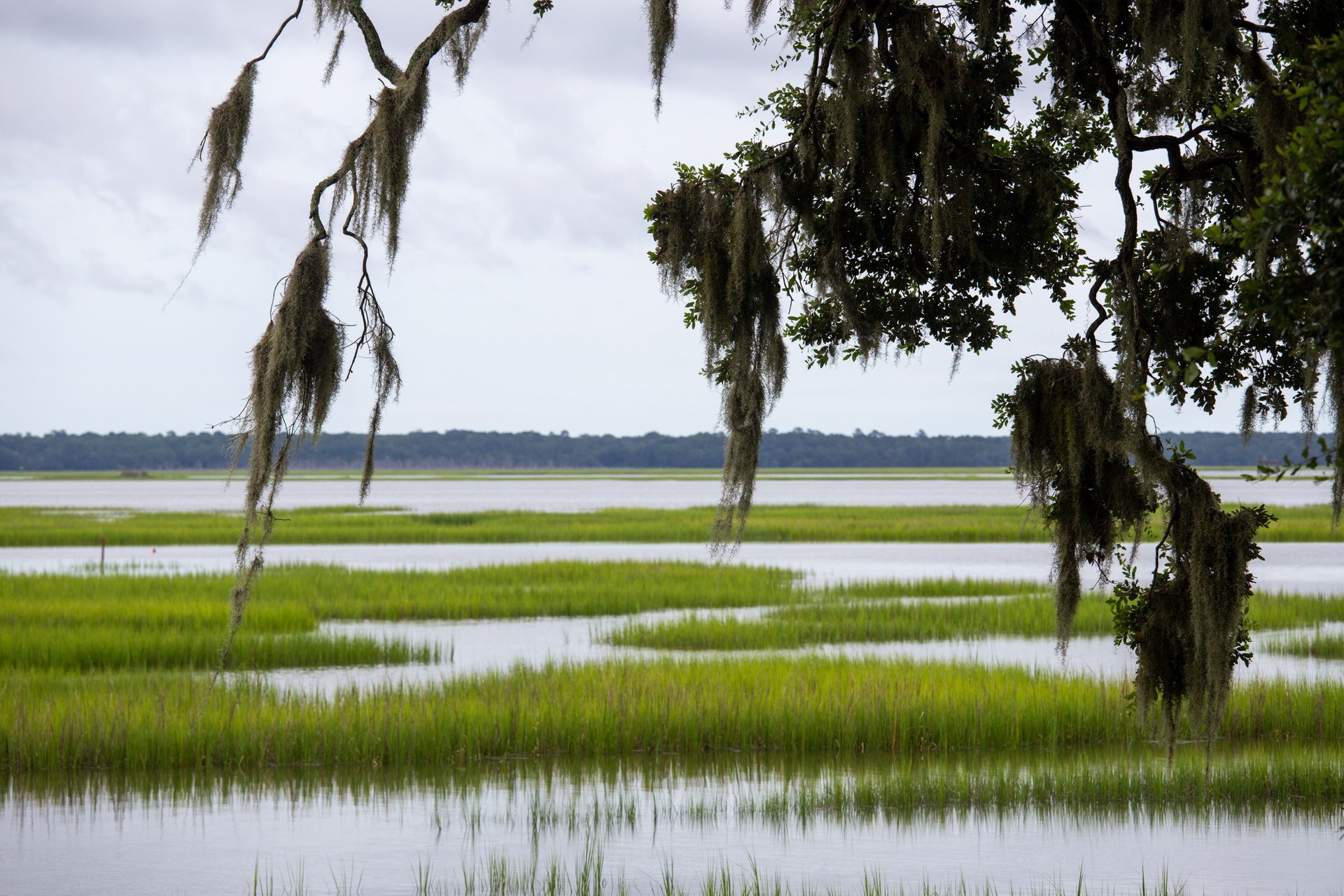
Aiken, South Carolina has been a winter horse capital for wealthy Northeasterners since the late 1800s, complete with polo fields, steeplechase racing, and a fox hunt of its own. Head toward the coast and the Lowcountry's historic quail-hunting plantations — many still operating as working shooting estates — offer the driven-bird-shooting side of this lifestyle in its most authentic American form, often on properties with real 18th- and 19th-century pedigree.
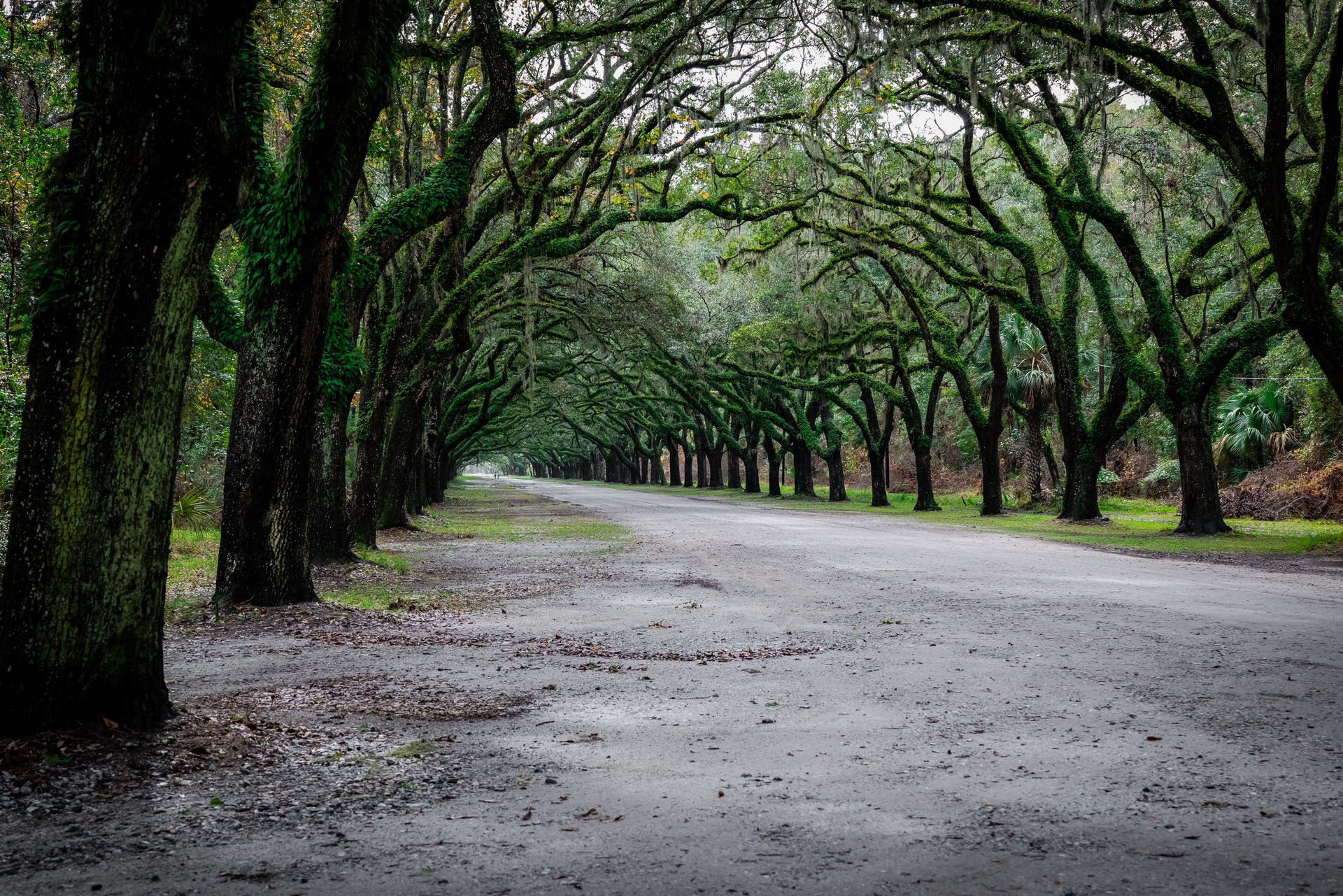
South Georgia's "Plantation Belt," centered around Thomasville, is one of America's best-kept secrets for this exact lifestyle. Wealthy industrialists built quail-hunting estates here starting in the late 19th century, and many of those properties remain intact and operating today — genuine, historic shooting land with the infrastructure (kennels, dog handlers, lodges) to match. It's quieter and less discovered than Virginia or Kentucky, which for some buyers is precisely the appeal.
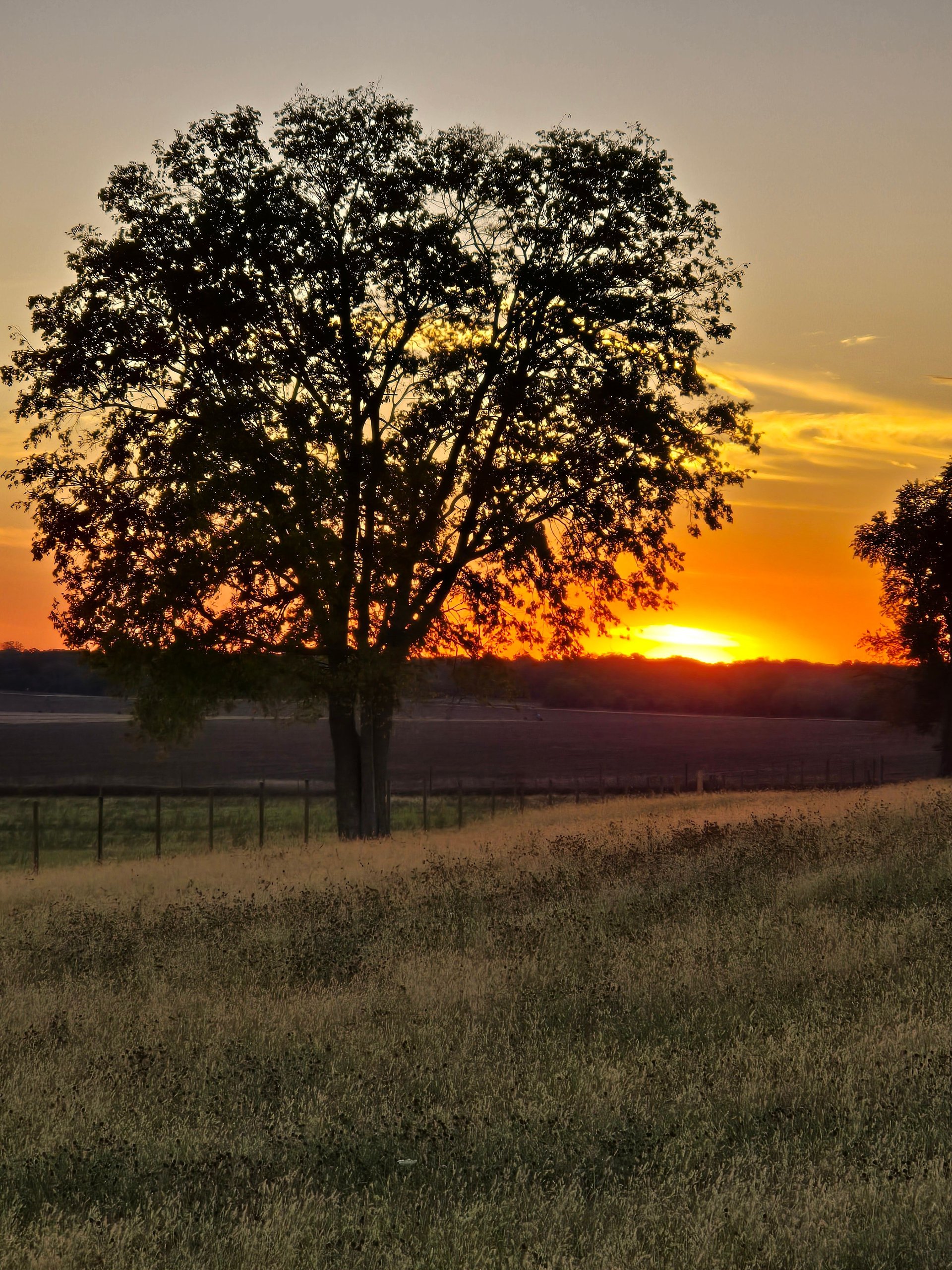
Tennessee's countryside around Franklin and Shelbyville offers rolling farmland, a serious equestrian tradition of its own (Shelbyville is the historic home of the Tennessee Walking Horse), and a countryside aesthetic that splits the difference between Virginia's polish and Kentucky's working-farm authenticity — at a genuinely more accessible price point than either.
What each of these places offers that England, by definition, cannot: no listed-building restrictions dictating what you can change about a centuries-old house, no complex inheritance tax structures built around ancestral land, and no social hierarchy you were born either inside or outside of. You can arrive with no family history in the region at all and, within a single purchase, own land with as much character and tradition behind it as anything in the English countryside — genuinely open to anyone who wants it, not passed down through a bloodline. It's the aesthetic and the rhythm of English country life, built on distinctly American terms: buy the land, build the life.
What TV shows have made English country estate living popular in America?
Netflix's The Gentlemen, Bridgerton, and Downton Abbey have all fueled American fascination with English aristocratic country life, showcasing sprawling estates, shooting weekends, and horse culture that many viewers now actively seek to recreate through American countryside real estate.
Can Americans actually live the English country estate lifestyle without inherited land or a title?
Yes, unlike England's aristocratic system, American countryside regions allow anyone to buy into an equivalent lifestyle — including working horse farms, historic hunting estates, and grand country houses — without inherited titles, listed-building restrictions, or the complex inheritance structures tied to English ancestral land.
Which U.S. state is most similar to the English countryside?
Virginia's Hunt Country, particularly Middleburg, Upperville, and The Plains, is most frequently compared to the English countryside, with a genuine centuries-old fox-hunting tradition and rolling green horse country reminiscent of the Cotswolds.
Do you need to own horses to enjoy this lifestyle?
No, while horses are central to much of this lifestyle, hunting-estate regions like Georgia's Plantation Belt and South Carolina's Lowcountry offer an equally authentic version built around shooting and land rather than equestrian pursuits specifically.
Is a country estate lifestyle affordable outside of Virginia or Kentucky?
Yes, Tennessee's countryside around Franklin and Shelbyville, along with Georgia's Plantation Belt, generally offer this same countryside lifestyle at a more accessible price point than Virginia's Hunt Country or Kentucky's Bluegrass region.
Curious what an American country estate could look like for you? Begin HERE!
Stay up to date on the latest real estate trends.

International Real Estate

and Why the Right Agent Still Matters

International Real Estate

International Real Estate
United States Real Estate
United States Real Estate
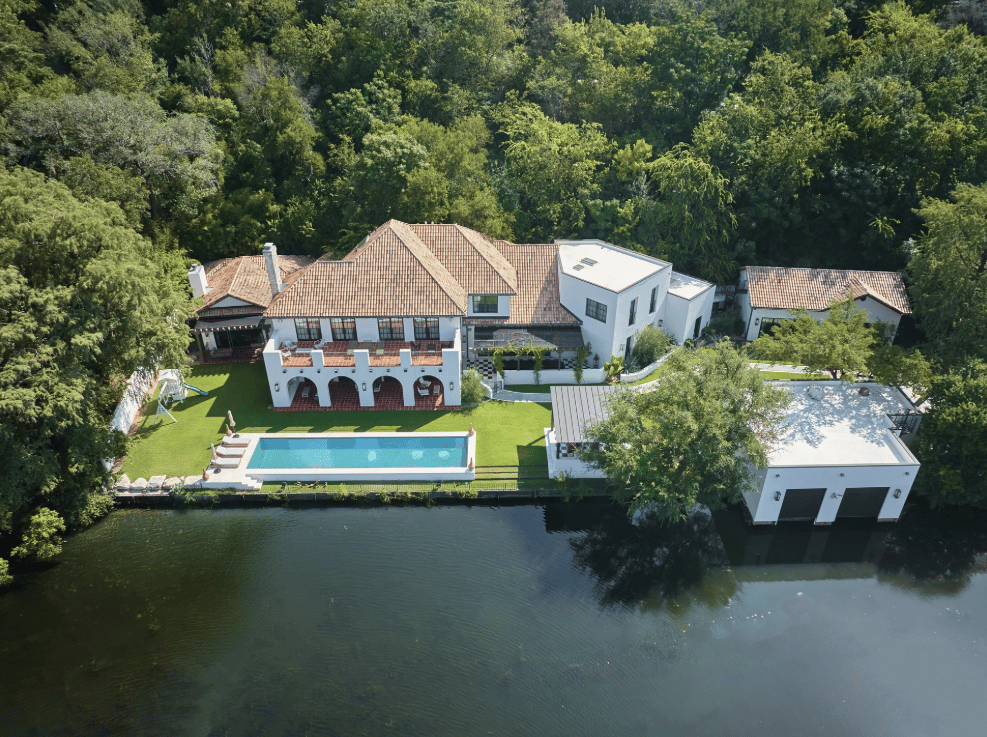
Inside Villa Serena, One of the Most Exclusive Estates in Austin, Texas

United States Real Estate

International Real Estate
Access a worldwide network of trusted real estate professionals backed by Monument Sotheby's International Realty. Helping busy professionals buy, sell, and relocate with confidence through a referral experience.